Infant Bear Face: A Craft Fair Review
As an embroidery designer who has spent countless weekends behind a booth table, I know that not every machine embroidery design is created equal. Some look stunning on a screen but fall flat in person. Others are so complex they eat up your production time without commanding a higher price. Today, I am reviewing the Infant Bear Face design, evaluating it strictly through the lens of a craft fair seller and small business owner. This is not just about aesthetics; it is about viability, speed, and customer appeal.
First Impressions and Market Fit
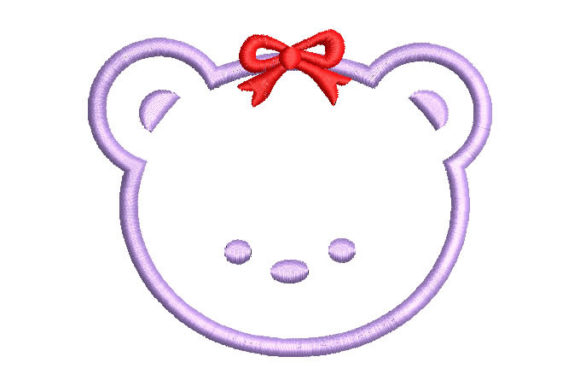
The first thing you notice about the Infant Bear Face is its inherent softness. In a market saturated with bold, modern typography and rustic farmhouse motifs, this design offers a gentle, nostalgic alternative. It feels undeniably cute, yet it avoids being overly cartoonish. For a seller targeting parents, grandparents, or gift-buyers, this emotional connection is vital. The design description notes that it is beautiful embroidered on any type of fabric, which suggests versatility. However, "versatile" can sometimes mean "generic." Does it stand out? Yes, because of its simplicity. It reads clearly from three feet away, which is the critical distance for capturing attention at a busy handmade market.
This design fits perfectly into the Teddy Bears category but transcends it by working as a standalone motif. It does not require a full body or complex background, making it an ideal candidate for items where space is limited or where a minimalist approach commands a premium price.
Product Applications That Sell
When planning my booth inventory, I always ask: where does this design earn its keep? The Infant Bear Face is a chameleon. Here is how I would deploy it across various craft fair products:
- Tote Bag Design: Placed centrally on a canvas tote, it becomes an instant bestseller for baby showers. The simplicity allows the fabric texture to shine, keeping the production cost low while maintaining high perceived value.
- Apron Embroidery: A child-sized apron with this bear face is a no-brainer. It transforms a basic garment into a cherished keepsake. For adult aprons, placing it on the pocket adds a subtle, charming detail that appeals to home cooks who love whimsy.
- Tea Towel Embroidery: This is perhaps the strongest application. Kitchen linens are impulse buys. The design’s clean lines ensure it survives repeated washing without losing definition, provided the stitch density is appropriate for terry cloth or linen.
- Embroidered Patch: If you offer patches, this design is perfect. It can be ironed onto denim jackets, backpacks, or beanies. Patches have high profit margins because they require minimal finishing work compared to full garments.
- Caps and Hats: Curved surfaces are tricky. Because the Infant Bear Face is likely compact, it works well on the front panel of a cap. However, you must ensure the design is not too wide, or it will distort around the curve.
Production Practicality for Small Shops
For an Etsy seller or boutique maker, time is money. The beauty of this design lies in its repeatability. It does not appear to have excessive jump stitches or tiny, fragile details that frequently break threads. This makes it ideal for batch production. You can hoop five tote bags, run the machine, and move on to the next task. This efficiency is crucial when preparing for a weekend market where you need volume without burnout.
Photography is another key factor. The Infant Bear Face photographs exceptionally well. Its symmetrical nature creates a focal point that draws the eye in digital listings. When creating a printable mockup or staging real photos, the design pairs well with neutral backgrounds, allowing the thread colors to pop. Whether you choose classic brown, playful pastels, or monochrome white-on-white, the design retains its integrity.
Careful-Use Notes and Technical Considerations
While the design is robust, there are technical pitfalls to avoid. As an experienced designer, I advise checking the specific embroidery file details before committing to production. The product description mentions multiple formats, but it does not specify exact stitch counts or recommended hoop size. You must verify these details. If the design is dense, it may pucker lightweight fabrics like voile or thin cotton. Always use the correct stabilizer; a cut-away stabilizer is often safer for items that will be washed frequently, like tea towels and bibs.
Be cautious with fabric texture. On highly textured materials like thick terry cloth, small details can get lost. If the bear’s eyes or nose are very small, consider using a satin stitch rather than a fill stitch to maintain clarity. Additionally, on dark fabrics, ensure your thread contrast is high. A dark brown bear on a navy blue shirt might disappear in low booth lighting. Test your thread colors under the same lighting conditions you will have at your fair.
Enhancing Brand Consistency and Value
Using the Infant Bear Face consistently across your product line builds brand recognition. If a customer sees the same bear on a tote, a pillow, and a patch, they begin to associate that character with your shop’s quality. This consistency enhances the perceived value of your handmade product. It signals that you are a curated brand, not just a random collector of designs.
Furthermore, this design supports commercial use, which is essential for commercial embroidery businesses. However, always double-check the license terms included with your digital embroidery file. Never assume; always read. Selling finished products requires clear legal standing, and reputable designers provide this clarity.
Final Designer Verdict
Before you list this as a small shop product, take these practical steps. First, stitch out a test on scrap fabric similar to your final product. Check for puckering and thread breaks. Second, create at least one real mockup to see how the scale feels in hand. Does it look too small? Too large? Adjust your hoop settings accordingly. Third, compare it against other bear designs in your portfolio. Does Infant Bear Face offer something unique? In this case, its elegance and simplicity are its unique selling points.
In conclusion, the Infant Bear Face is a strong contender for any embroidery business focused on gifts, baby items, and home decor. It balances aesthetic appeal with production efficiency. It is easy to understand at a glance, versatile across multiple substrates, and emotionally resonant with buyers. By paying attention to stabilizer choice, thread contrast, and fabric suitability, you can turn this simple design into a profitable staple of your craft fair inventory. It is not just a design; it is a tool for building a cohesive, attractive, and sellable product line.