Red White Cute: A Designer’s Take on First July 4th Embroidery
As a designer who has spent countless hours staring at digitizing software and even more hours watching needles punch through fabric, I have learned to look past the initial thumbnail appeal of a machine embroidery design. We all know that what looks crisp on a screen does not always translate perfectly to cloth. When I first pulled up Red White Cute, my immediate reaction was one of cautious optimism. It promises to mark a baby’s first Fourth of July, a milestone that parents cherish deeply. But does it hold up under the scrutiny of professional production? Let’s break down how this design performs in real-world scenarios.
First Impressions and Visual Personality
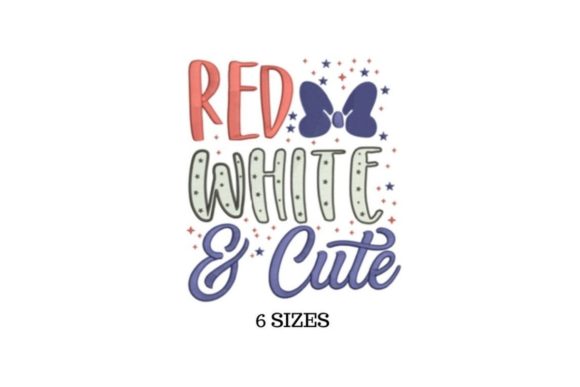
The mood of Red White Cute is undeniably sweet. It avoids the aggressive, militaristic imagery sometimes associated with Independence Day themes, opting instead for a softer, more celebratory aesthetic. This is crucial when targeting the baby market. Parents are looking for items that feel gentle and commemorative rather than loud or political. The layout appears balanced, with a visual personality that suggests playfulness. For an embroidery project intended for infants, this softness is a selling point. However, as designers, we must ask: is it too simple? Does it lack the detail required to justify a premium price point in a boutique setting? From my perspective, the charm lies in its clarity. It reads well from a distance, which is essential for items like stroller covers or nursery wall hangings.
Real-World Application: The Custom Tote Scenario
To truly evaluate Red White Cute, I imagined a specific client request. A local mom-and-pop boutique wanted a run of canvas tote bags for a summer "Baby’s First Holiday" gift set. This is a common scenario for any Etsy seller or craft business owner. The question was whether the design would dominate the bag or get lost in the weave of the canvas.
In this context, the design shines. Canvas provides a stable base, allowing the stitches to sit flat without sinking into the fibers. If you are creating a personalized gift or a small shop product, the contrast of bright red and white threads against a natural or navy canvas creates a striking visual appeal. It elevates a simple tote from a utility item to a keepsake. Customers are more likely to engage with products that look intentional and professionally finished. A muddy or poorly digitized design can ruin the perceived value of the entire item, but Red White Cute maintains its integrity, offering a clean look that builds customer trust.
Navigating Fabric Challenges and Stitch Density
While the design works well on sturdy materials, we must discuss where it requires caution. Baby clothes are often made from thin, stretchy knits or delicate cottons. If you are applying this as baby embroidery on a onesie, you cannot rely on standard techniques alone. The stitch density must be appropriate for the fabric weight. If the design relies heavily on dense fill stitch areas, it may cause puckering on lightweight jersey fabrics.
I recommend using a high-quality cut-away stabilizer for stretchy garments to prevent distortion. For woven fabrics like tea towels or pillow covers, a tear-away stabilizer might suffice, but always test first. Another critical consideration is the use of satin stitch versus running stitch details. Satin stitches offer a luxurious sheen but can snag easily if they are too long or raised. If Red White Cute features fine lines, ensure they are not so delicate that they disappear after washing. Textured fabrics, such as terry cloth towels, can also swallow small details. In these cases, increasing the scale of the design slightly or choosing a bolder thread color can help maintain visibility.
Commercial Viability and Brand Consistency
For commercial embroidery professionals and digital product sellers, consistency is key. You need assets that look good across various applications. Whether you are creating a printable mockup for your online store or stitching a physical sample for a craft fair, the design must remain recognizable. Red White Cute offers versatility here. It fits naturally into holiday embroidery collections without being overly specific to a single year, making it a reusable asset for your design assets library.
When building a brand, your choice of designs reflects your quality standards. Using a well-digitized file signals professionalism. Buyers of handmade products are increasingly savvy; they can spot poor stitching from a mile away. A clean finished product encourages repeat business and positive reviews. If you are selling custom apparel or embroidered patches, ensure that the edges of the design are tight and secure. Loose threads or jagged edges can make even the cutest design look amateurish.
Practical Notes for the Serious Maker
Before you commit to a large production run or list this as a new item in your shop, take these practical steps:
- Test on Scrap Fabric: Never stitch directly on your final garment. Use a similar fabric scrap to check tension and registration.
- Check Thread Contrast: View your design in black and white. If the elements blend together, adjust your thread colors for better definition.
- Verify File Formats: The description mentions multiple embroidery file formats. Ensure you have the correct version for your specific machine to avoid conversion errors that can alter stitch paths.
- Review Licensing: If you plan to sell items featuring Red White Cute, confirm the license terms. Some digital embroidery files allow commercial use of finished goods but prohibit reselling the digital file itself.
- Hoop Size Compatibility: Confirm that the design fits within your available hoop size. Resizing embroidery beyond 10% can distort stitch density and cause breaks.
Final Verdict on Red White Cute
In the crowded market of Independence Day themed items, Red White Cute stands out by focusing on tenderness rather than just patriotism. It is a solid choice for sweatshirt embroidery, tote bag design, and nursery decor. It requires thoughtful execution regarding stabilizer choice and fabric selection, but with proper technique, it delivers a high-quality result. For the creative entrepreneur looking to add a heartfelt touch to their holiday collection, this design offers both aesthetic appeal and practical usability. Just remember, the magic is in the making—take the time to stitch it right, and your customers will feel the difference.