Reviewing Children of Duck for Holiday Collections
As an experienced embroidery designer, I spend countless hours curating digital assets that not only stitch well but also sell. When planning a seasonal shop collection, the emotional resonance of a design is just as critical as its technical execution. This season, I am taking a close look at Children of Duck, a charming addition to the Baby Animals category that promises to inject a sense of playful innocence into holiday product lines. For Etsy sellers, handmade gift makers, and apparel decorators, understanding how this specific machine embroidery design performs in real-world applications is essential for maximizing revenue during the busy festive period.
The First Impression: Mood and Aesthetic Appeal
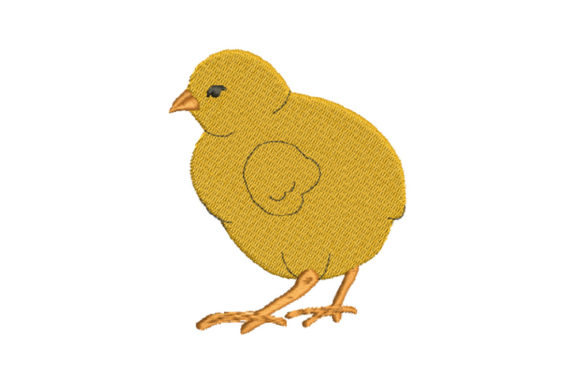
The immediate visual impact of Children of Duck is one of warmth and nostalgia. In a market saturated with generic holiday motifs, this design stands out by offering a softer, more organic feel. It does not scream for attention with loud colors or aggressive shapes; instead, it invites the viewer in with a cozy, rustic charm. The decorative style leans heavily into the cute and playful spectrum, making it an ideal candidate for products targeting young families, new parents, and those seeking heartfelt, personalized gifts.
From a branding perspective, this embroidery file aligns perfectly with trends favoring natural themes and gentle aesthetics. Whether you are aiming for a modern farmhouse vibe or a whimsical children’s boutique look, the design’s innocent tone enhances brand consistency. It feels premium not because of complexity, but because of its clarity and emotional accessibility. For holiday shoppers overwhelmed by commercial noise, such a serene and joyful image can be a decisive factor in purchasing a finished product.
Strategic Product Applications for the Season
To truly leverage Children of Duck, we must consider where it adds the most value. The product description suggests versatility, noting its suitability for children’s clothing, pajamas, outdoor outfits, and farmer’s market tote bags. However, for a seasonal push, we can expand this utility significantly.
- Sweatshirt Embroidery: Placing this design on the left chest of a high-quality crewneck creates a subtle, stylish look that appeals to adults who appreciate whimsical details. It transforms a basic garment into a unique small shop product.
- Tote Bag Design: Canvas totes are perennial bestsellers. Stitching this duck motif on a natural cotton bag creates an instant classic, perfect for holiday grocery runs or as a reusable gift wrap alternative.
- Kitchen Towel Embroidery: Home decor items see a spike in demand during the holidays. A set of embroidered kitchen towels featuring this design makes for an affordable yet thoughtful hostess gift.
- Pillow Cover Accents: Adding the motif to the corner of a neutral pillow cover introduces a touch of seasonal joy without overwhelming the room’s decor.
- Embroidered Patch: Creating iron-on patches allows customers to customize their own jackets or backpacks, increasing engagement and perceived value.
For those creating family matching items, this design works beautifully on baby onesies and adult aprons alike, fostering a sense of connection and tradition. When used in gift bundles, such as pairing a stitched tote with a matching kitchen towel, the cohesive look increases the average order value and enhances the giftability of the items.
Navigating Technical Challenges and Fabric Choices
While the aesthetic appeal is strong, practical application requires careful attention to detail. As a designer, I always advise checking specific technical parameters before committing to large production runs. Since the exact stitch count, file format, and hoop size are not explicitly detailed in the brief description, it is crucial to verify these specifications in the digital embroidery file documentation before purchase.
Fabric Texture and Stabilizer: The success of any machine embroidery design depends heavily on the foundation. For thick towels or textured canvas totes, ensure you use a cut-away stabilizer to prevent puckering. On stretchy garments like pajamas or sweatshirts, a tear-away stabilizer might suffice for larger hoops, but testing is mandatory. Always test thread colors on both light and dark fabric to ensure the contrast highlights the delicate features of the duck design.
Hoop Size and Detail Preservation: If you plan to scale the design down for smaller items like ornaments or baby socks, be wary of losing detail. Tiny lettering or intricate feather patterns may merge if the hoop size is too small or if the stitch density is too high for the thread weight. Review small details after stitching a test sample to confirm clarity. Additionally, avoid using metallic thread for the main body of the design unless you have extensive experience, as it can break easily and obscure the playful nature of the image.
Boosting Seasonal Sales and Customer Trust
In the competitive landscape of holiday embroidery, visual recognition is key. Children of Duck offers a distinct visual hook that can be leveraged in social media previews and printable mockups. High-quality images showing the texture of the stitches on soft fabrics build customer trust. When buyers can see the quality of the finished product, they are more likely to perceive it as a premium item rather than a mass-produced commodity.
For Etsy sellers and small business owners, this design supports commercial embroidery efforts by providing a versatile asset that fits multiple niches. It appeals to the emotion of the buyer—evoking feelings of comfort, childhood joy, and domestic warmth. During the holiday shopping period, these emotional connections drive conversions. By positioning this design as part of a limited edition apparel drop or a special holiday home decor collection, you create urgency and exclusivity.
Moreover, the versatility of the design allows for consistent branding across different product types. A customer who buys a stitched tote bag may return for a matching pillow cover, knowing the quality and style will remain consistent. This repeatability builds long-term customer loyalty.
Final Designer Notes for Implementation
Before launching your seasonal campaign with Children of Duck, take these final steps to ensure professional results:
- Verify Licensing: Confirm commercial licensing terms before selling finished seasonal products. Ensure the digital embroidery file permits the volume of sales you anticipate.
- Create Realistic Mockups: Use high-resolution photos of actual stitched items rather than just digital renderings. Show the design on various fabric textures to help buyers visualize the final product.
- Plan Color Palettes: Develop a range of thread color options. While traditional yellows and oranges work, consider pastel variations for spring previews or muted tones for a rustic winter aesthetic.
- Test Wash Durability: Especially for children’s clothing and kitchen towels, wash test your samples to ensure the stitches hold up and the fabric does not distort.
In conclusion, Children of Duck is a valuable asset for any embroidery designer looking to expand their holiday offerings. Its blend of playful innocence and technical versatility makes it suitable for a wide array of products, from wearable art to home accents. By paying attention to stabilizer choices, hoop sizes, and marketing presentation, you can transform this simple Baby Animals embroidery into a standout bestseller for your shop.